

The success of the Raider arsenal is predicated on Resource Conversion Theory (RCT), the transformation of salvaged materials into functional tools. However, a single blueprint only outlines the *structure*; the ultimate performance of the weapon—its kinetic stability, velocity, and durability—is dictated by the quality of the individual components used in its fabrication. **Component Fidelity Analysis (CFA)** is the specialized doctrine dedicated to measuring the impact of material quality (Tier I, II, or III) on the final kinetic and operational integrity of Raider gear. Raiders must understand that even a perfect schematic fails if built with compromised materials.
This analysis details how specific material tiers influence key weapon metrics, guiding Raiders toward making strategic investments in the quality of their gear.
The Principle of Material Integrity and Stress Tolerance
CFA establishes that a weapon is only as strong as its weakest link. Tier I materials (Reclaimed Metal Scraps) are prone to structural fatigue under high pressure, leading to weapon degradation, increased recoil, and decreased accuracy.
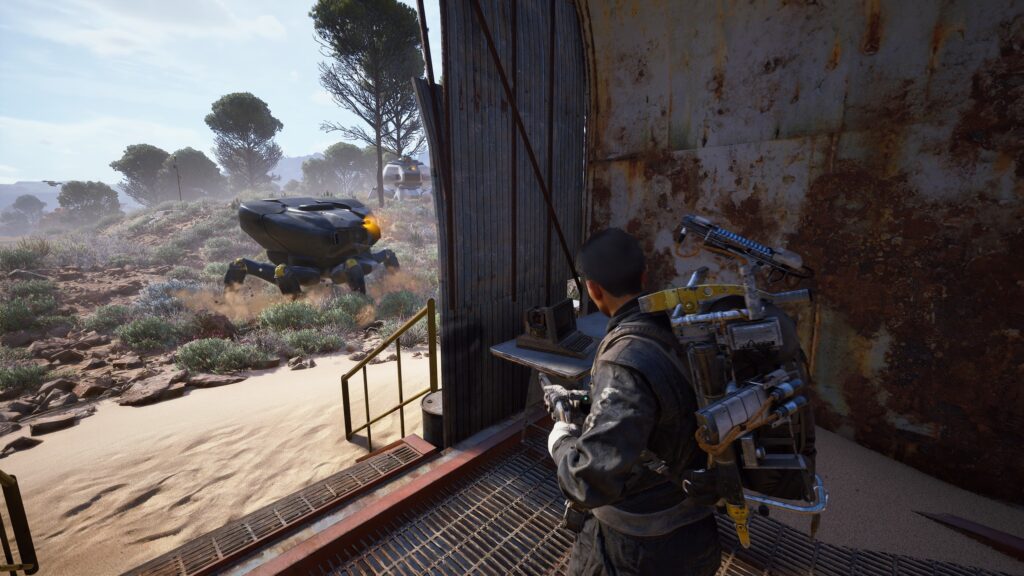
Tier III materials (Refined Alloys, ARC plating) offer superior stress tolerance, maintaining structural integrity under sustained fire and high muzzle velocity. Investing in quality materials enhances the weapon’s **Kinetic Life Cycle**.
Impact on Weapon Metrics: Recoil and Stability
Recoil stabilization is the metric most sensitive to component quality. Building a Re-Bar Rifle (RKI) with Tier I materials leads to pronounced, unpredictable recoil, undermining the precision necessary for TCA and Ammunition Conservation.
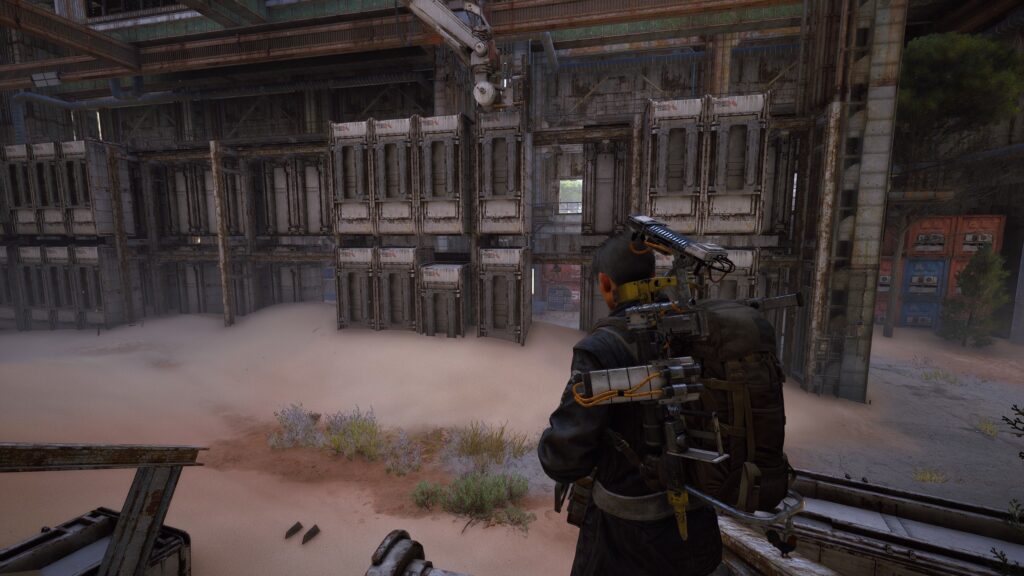
A rifle built with Tier III Refined Alloys and stabilized with high-fidelity dampeners (Tier III integrated circuits) exhibits significantly reduced muzzle climb and superior accuracy, enabling faster follow-up shots essential for Kinetic Overmatch (KOD).
Gadget Performance and Power Throughput
Gadgets rely heavily on energy transfer and power output. CFA demonstrates a direct link between component quality and gadget efficacy:
| Gadget/Component | Tier I Material Result | Tier III Material Result |
|---|---|---|
| **Shield Wall Emitter** | Shorter duration; lower kinetic deflection threshold. | Increased duration; higher energy absorption capacity. |
| **Jammer Grenade Core** | Reduced pulse radius; frequent system failure/malfunction. | Maximized pulse radius; stable communication disruption (NIS). |
| **Grappling Hook Winch** | Slower retraction speed; high risk of winch snapping under load. | Maximized retraction speed; reliable anchor under heavy kinetic stress (VHS). |
CFA and Resource Investment Strategy
CFA reinforces the necessity of strategic investment (BAS). High-risk assets—those that directly influence mission success or prevent catastrophic failure (Shield Wall, DM rifle)—must be built with the highest possible material quality. Low-risk assets (basic ammunition, temporary armor plating) can utilize lower-tier materials.
The Hidden Cost of Low Quality
Using low-quality components introduces a hidden cost: increased resource expenditure later.
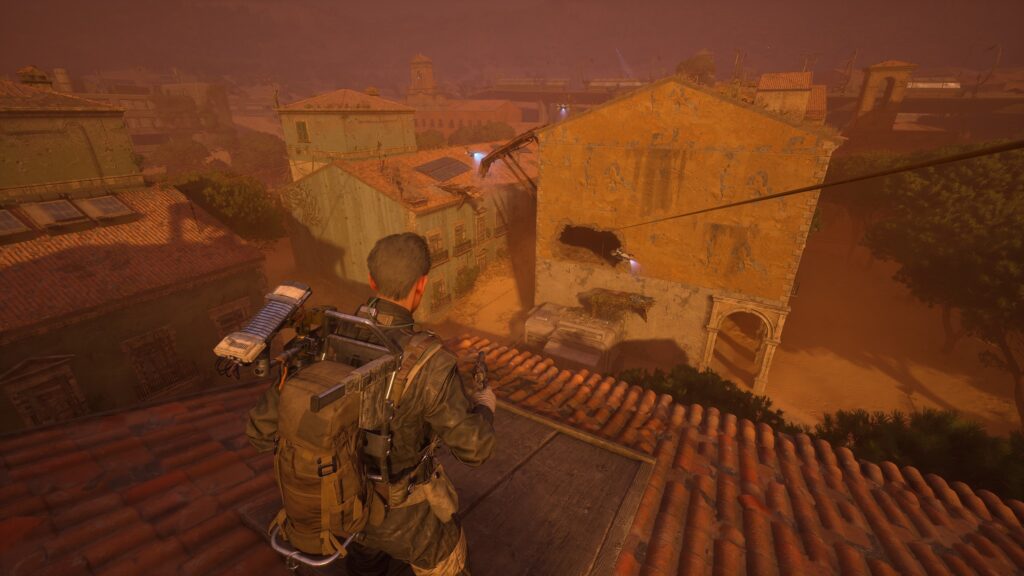
A Tier I weapon often requires more ammunition to achieve a critical kill due to poor accuracy, resulting in a net negative impact on the Raider’s LPO. Quality, therefore, is directly proportional to long-term resource efficiency.
Conclusion: Quality is Survival
A blueprint is merely a promise; Component Fidelity Analysis confirms that the Raider’s competence depends on the quality of the materials salvaged.
Raiders must prioritize strategic investment in high-fidelity components for all critical gear, ensuring that their tools are as resilient and precise as their tactical planning.
Leave a Reply