

The Quick Entry and Exit (QEE) is the specialized doctrine governing raids into high-value, highly defended sectors (HDSZs, FAEs) where sustained engagement is suicidal. QEE prioritizes maximum kinetic surprise, rapid asset acquisition (LPO), and immediate disengagement, converting high-risk zones into profitable, transient targets. This doctrine rejects prolonged engagements in favor of speed and efficiency, focusing on turning the initial chaos of the incursion into a decisive advantage.
This final analysis details the rigorous planning, synchronized movement (GTI), and technological utilization required to execute successful smash-and-grab operations against ARC’s most heavily guarded assets.
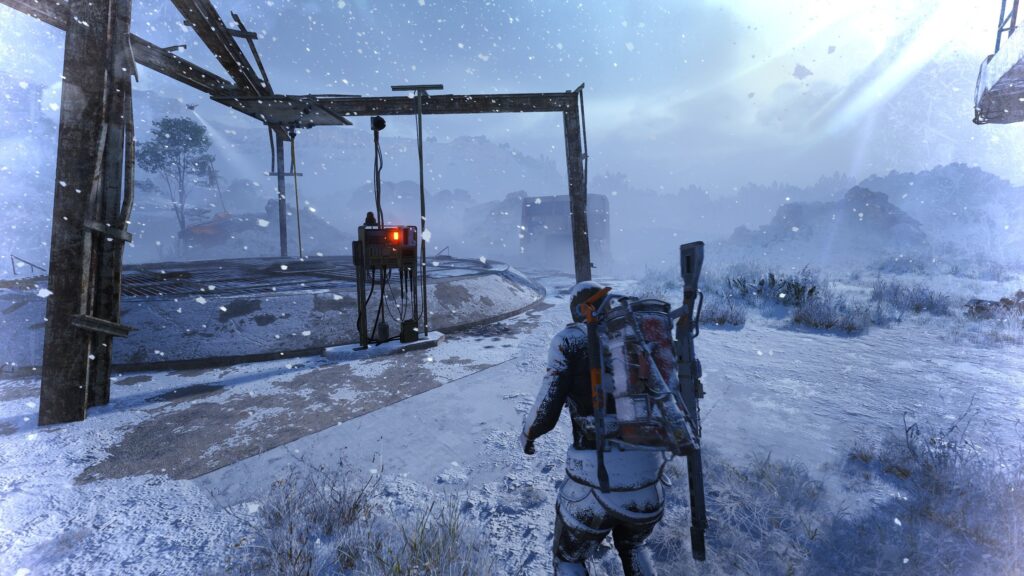
Phase 1: Precision Infiltration and Entry Vector
QEE requires that the point of entry be the closest, least defended route, often utilizing the vertical axis (VHS) or concealed structural weakness (FBP). The team must bypass perimeter defenses entirely. **Protocol:** The Disruptor/Scout uses the Grappling Hook to secure a vertical entry point, followed immediately by a rapid breach (small, quiet explosive charge) to gain access to the interior without attracting widespread attention (ASW).
Phase 2: The Kinetic Shockwave and Asset Acquisition
The moment of entry must be accompanied by a coordinated kinetic shockwave. The Breacher simultaneously deploys a high-yield explosive (Fusion Charge) at a critical junction near the high-value asset, neutralizing immediate local defenders. This initial burst of violence creates the necessary confusion and kinetic void for the DSR (Designated Salvage Runner) to rapidly move toward the asset.
- **DSR Priority:** The DSR must move directly to the Tier III asset, ignoring all secondary salvage, and prepare for immediate “Sort and Convert” (LPO).
Phase 3: The Hard-Stop Defense and Exit Vector
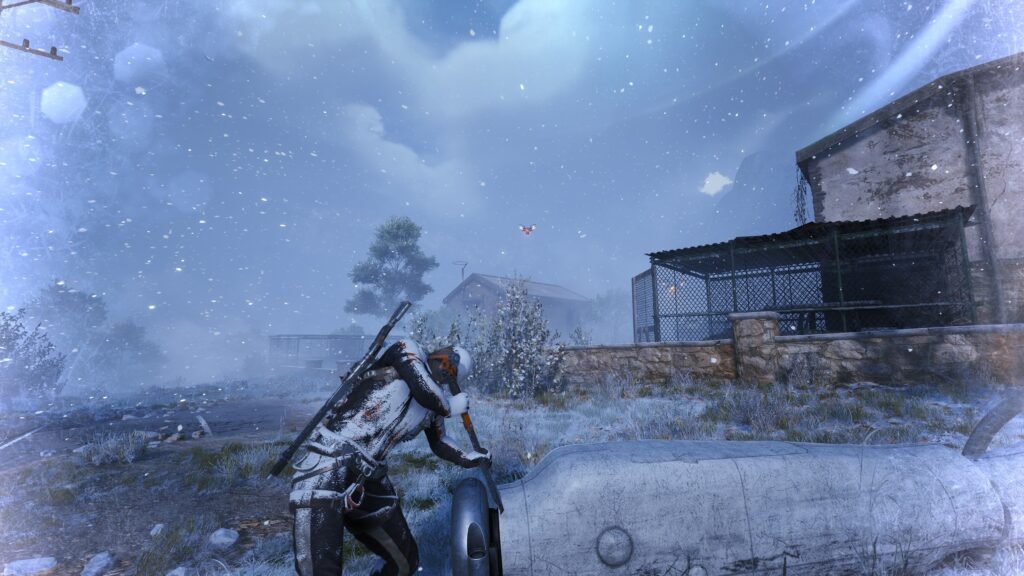
QEE dictates a firm time limit for asset acquisition (usually under 60 seconds). Once the asset is secured, the squad executes a **Hard-Stop Defense**: utilizing the Shield Wall and localized disruption (Jammer Grenade) to fend off the immediate, aggressive ARC response (AAD). The team does not attempt to clear the area; they hold the line just long enough for the DSR to secure the asset.
| QEE Phase | Primary Goal | Critical Tool Required |
|---|---|---|
| **Entry** | Achieve maximum structural surprise. | Grappling Hook (VHS); low-yield explosive. |
| **Acquisition** | DSR secures Tier III material quickly. | Fusion Charge (neutralization); high-capacity inventory. |
| **Exit** | Rapid disengagement and line-of-sight denial. | Smoke/VIS; clean Grappling Hook charges. |
Phase 4: Exit and Concealment
The exit must utilize an entirely different vector than the entry. The squad employs Visual Interdiction Strategy (VIS) with smoke and rapid movement (VHS) to break line-of-sight, leaving the site in maximum chaos. The objective is to vanish before ARC can stabilize its perimeter, ensuring the acquired high-value assets are safely delivered back to the Community Hub.
Conclusion: Speed and Decisiveness
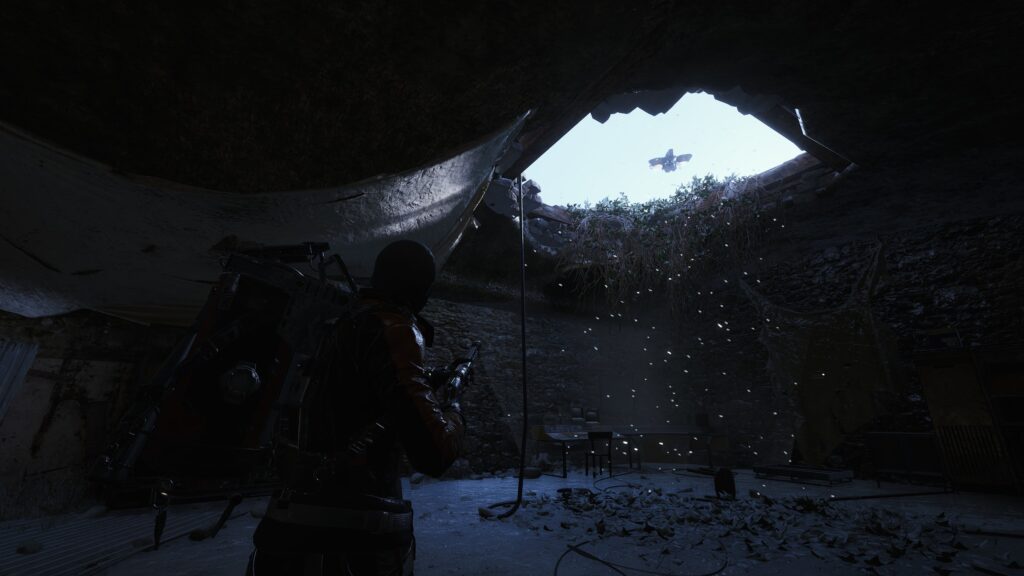
The Quick Entry and Exit doctrine transforms high-risk zones into high-profit ventures. By prioritizing speed, structural exploitation, and coordinated kinetic shock, Raiders confirm that the most effective way to engage a fortified machine enemy is to hit hard, take the vital asset, and disappear before the network can fully react.
Leave a Reply