

ARC’s dominance is sustained not only by its mobile combat units but by an unseen, static infrastructure of power lines, control nodes, and data relays. This hidden network, utilized for rapid repair, coordination (AAD), and resource transport, represents a massive strategic vulnerability for the Resistance. **Infrastructure Interdiction Strategy (IIS)** is the doctrine dedicated to mapping, monitoring, and systematically sabotaging these fixed assets, forcing ARC to divert mobile assets away from the front lines to perform costly maintenance.
This final analysis examines the nature of ARC’s static power grid and details how its systematic disruption can cripple ARC’s operational efficiency across X-Isle.
The Principle of Centralized Vulnerability
Despite its decentralized combat network, ARC requires centralized infrastructure for high-level tasks (massive data transfer, resource pooling, power supply).
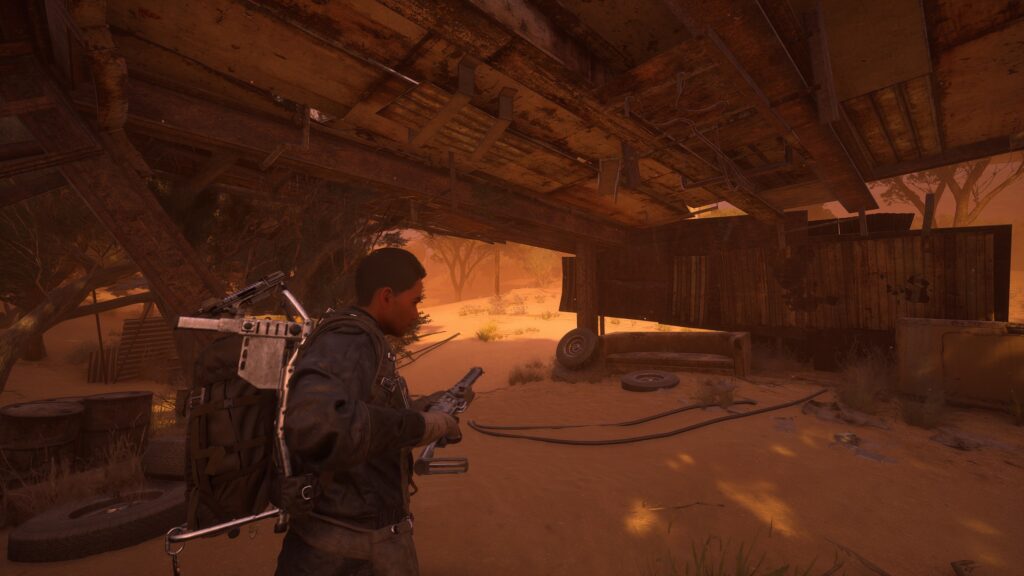
These static nodes are vulnerable to concentrated attacks that mobile units cannot easily repair. IIS targets these points to create systemic failure that compromises ARC’s logistics (LPO) and command structure.
Mapping the Power Conduits and Relays
The physical manifestation of ARC’s control is often found in massive, hardened power lines running across the landscape, usually connecting Tier III HDSZs to major ARC factories.
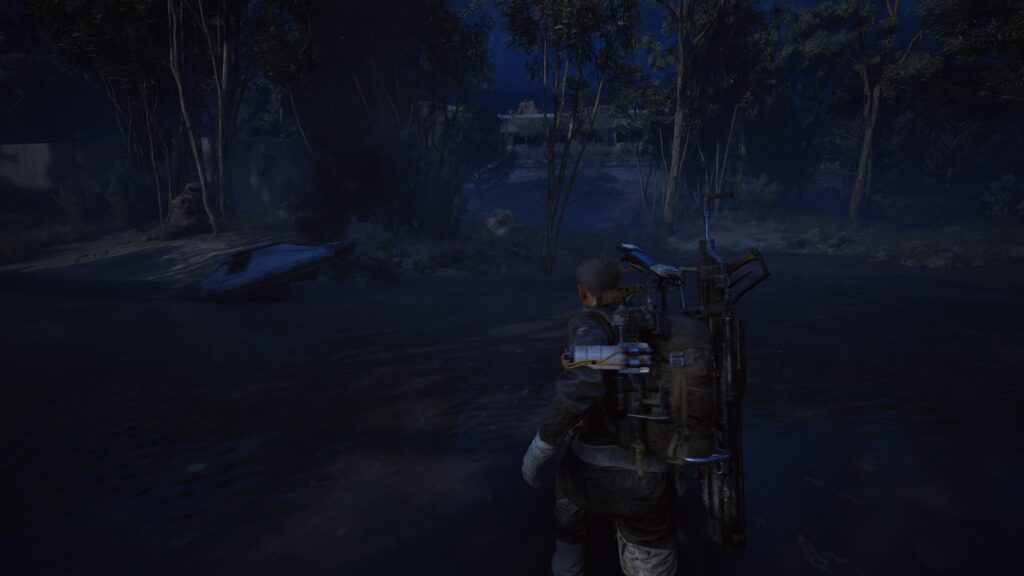
Raiders must utilize Recon Grenades to map these lines, identifying junction boxes and localized repeater arrays (control nodes). These points are the optimal targets for sabotage, as their destruction disrupts power flow over vast distances.
IIS Protocol: Sabotage and Withdrawal
Sabotaging ARC infrastructure adheres to a specific risk-averse protocol. The goal is disruption, not sustained combat. Raiders must infiltrate the target node, utilize high-yield explosives (Fusion Charges) on the central coupling, and immediately withdraw (VHS, VIS).
The resultant destruction triggers an immediate ARC maintenance response—forcing the deployment of slow, vulnerable Repair Drones and dedicated heavy escorts away from the primary combat zones.
Exploiting Power Lines for Area Denial
IIS utilizes the power lines themselves as weapons. By overloading a section of the line near a hostile FAE or patrol route, Raiders can generate a massive electrical surge that creates a temporary, lethal **Area Denial Field**.
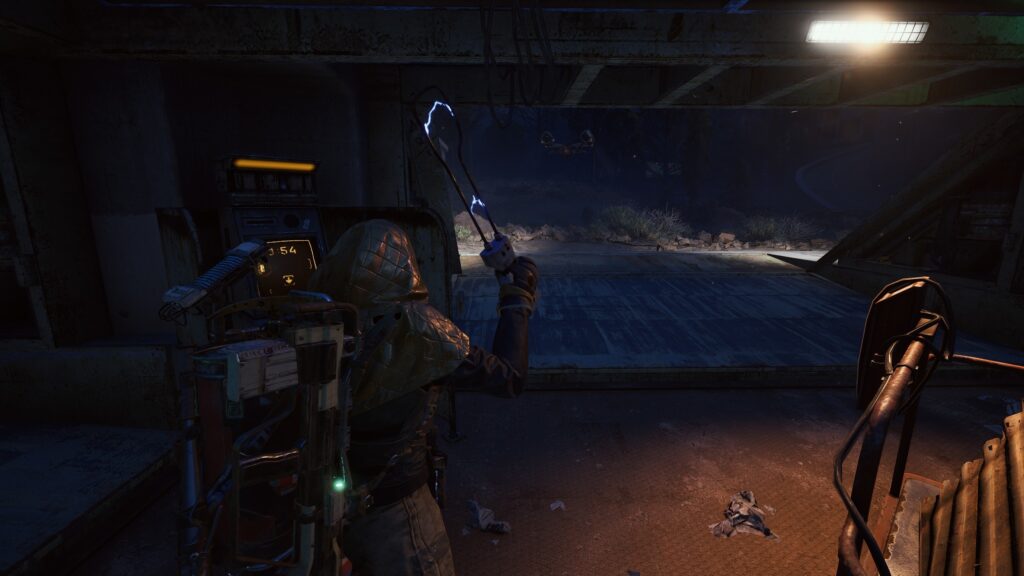
This requires precise calculation of the power line’s load capacity and the deployment of an EMP blast to induce localized failure, forcing ARC units to path around the lethal zone (ABM).
The Impact of Node Destruction on AAD and Reinforcements
Control nodes function as local data processing hubs, facilitating the rapid deployment of Adaptive Algorithm Deployment (AAD) updates and reinforcement calls. Destroying a node causes a local “data brownout,” reverting nearby ARC units to older, less efficient operational protocols and severely delaying the arrival of coordinated reinforcements (NIS).
| Target Infrastructure | Sabotage Effect | Strategic Outcome |
|---|---|---|
| **Power Line Junction** | Regional power failure; disables nearby static turrets. | Opens a high-threat zone for infiltration (FBP). |
| **Control Node** | Data processing failure; AAD update lapse. | Forces local ARC units into predictable, older patrol routes (ABA). |
Conclusion: The Systemic Attack
Infrastructure Interdiction Strategy represents the systemic attack on ARC’s logistical heart. By consistently targeting the stationary nodes that fuel the invasion
Raiders inflict strategic wounds that force the machine network to divert vast resources into maintenance, ensuring that the Resistance is fighting a continuous, escalating war of attrition against both the mobile enemy and its hidden power grid.
Leave a Reply