Elevated terrain—rooftops, broken bridges, industrial scaffolding—is a crucial tactical resource that fundamentally shifts the asymmetrical balance of combat in favor of the Raider. The doctrine of **Geometric Superiority (GS)** mandates the aggressive use of vertical space to neutralize ARC’s ground-based melee threats, exploit enemy structural weaknesses, and maximize the efficiency of ranged fire. Mastering GS is a prerequisite for achieving optimal positioning in all high-density engagements.
This analysis details the specific benefits of utilizing the vertical axis, confirming that the high ground is the most effective form of cover and tactical leverage available to the Resistance.
GS Principle 1: Melee Threat Nullification
Most ARC units, including heavy assault chassis (Warden, Enforcer), are limited by low vertical mobility, relying primarily on predictable ground traversal. Utilizing the Grappling Hook (VHS) to gain elevated positions immediately nullifies the significant threat posed by ARC’s aggressive CQC capabilities and melee-focused attacks.
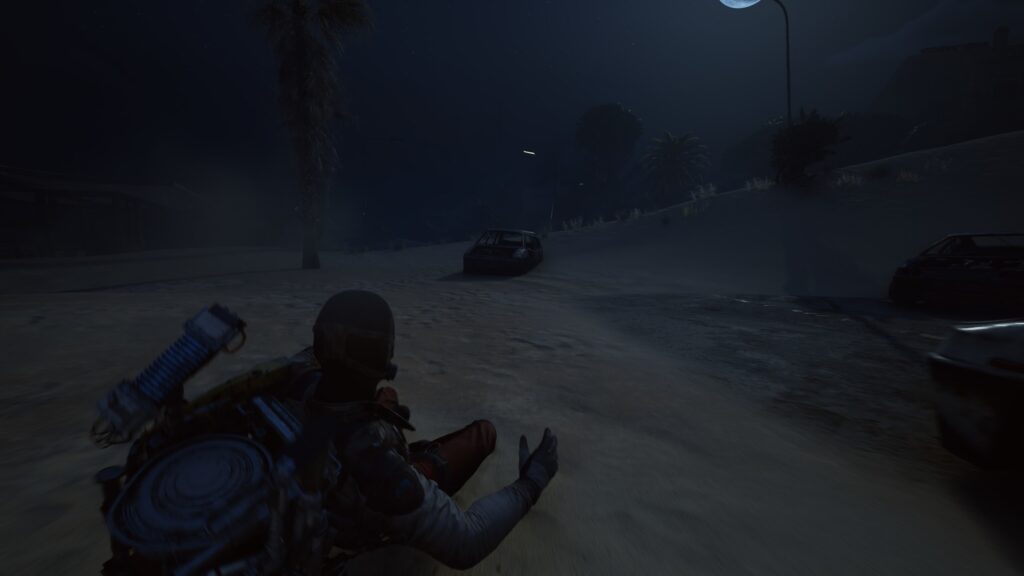
The high ground serves as an impenetrable barrier against the majority of kinetic assault units, forcing them to revert to inefficient ranged fire.
GS Principle 2: Targeting and Weak Point Exposure
Attacking from an elevated position provides a superior angle for component targeting (TCA). The top chassis and rear segments of most ARC units—which house critical cooling vents and fusion core power lines—are significantly thinner and less armored than the frontal plating. GS enables the DM to exploit this vulnerability, delivering high-impact Kinetic Overmatch (KOD) fire directly onto critical weak points with minimal obstruction, ensuring rapid unit destruction (CVT).
| GS Advantage | Tactical Benefit | Raider Role Impact |
|---|---|---|
| **Unobstructed Fire** | Eliminates minor environmental clutter and allows clear sighting of weak points. | DM (KOD) and Breacher (Fusion Charge deployment). |
| **Superior Intel** | Wide-angle view for real-time threat assessment and patrol prediction (ABA). | Disruptor/Scout (Recon Grenade placement). |
| **Kinetic Disadvantage** | Forces ARC units into less stable, inefficient high-angle fire. | Tank (TCM) gains time for armor repair (DMT). |
GS Principle 3: Protection and Defense
Elevated positions often feature fewer attack vectors. While a ground position is vulnerable from 360 degrees, a rooftop is typically only vulnerable from air units or the single point of ascent.
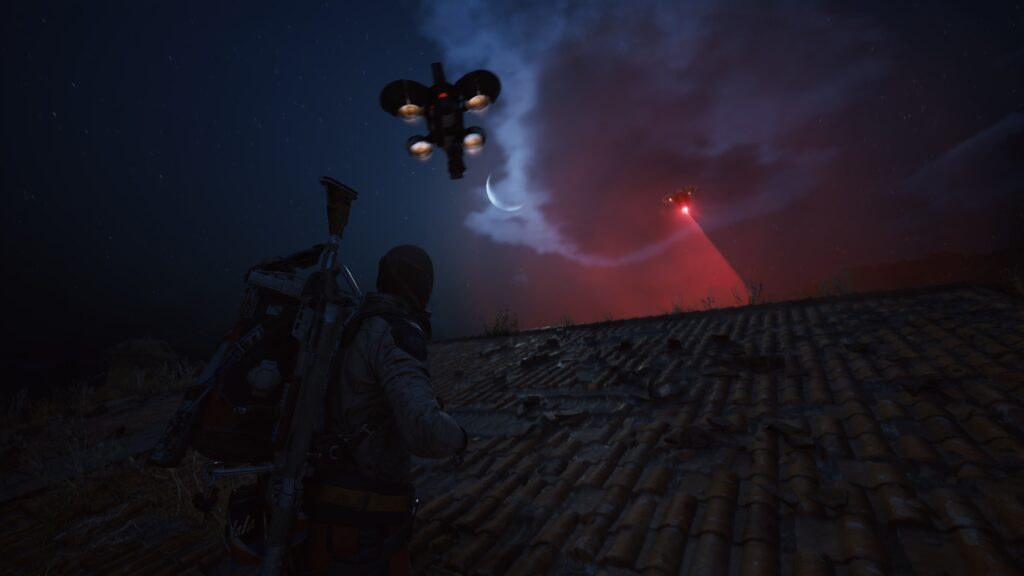
This minimizes the necessary application of the Shield Wall and frees up resources for offensive action, maximizing Ammunition Conservation (LPO).
The Golem Counter: Leveraging Vulnerability
The Golem, while immense, is subject to the limitations of turret depression and elevation. Utilizing the Hook to ascend to a position directly above the Golem’s operational limit forces it into an immobile, low-damage state while the Raiders systematically dismantle its core—a cornerstone of successful CVT.
Risk Mitigation: Aerial Threats
GS’s primary vulnerability is the exposure to specialized ARC aerial units (AAD counter-measures). Elevated positions offer poor cover against vertical bombardment.
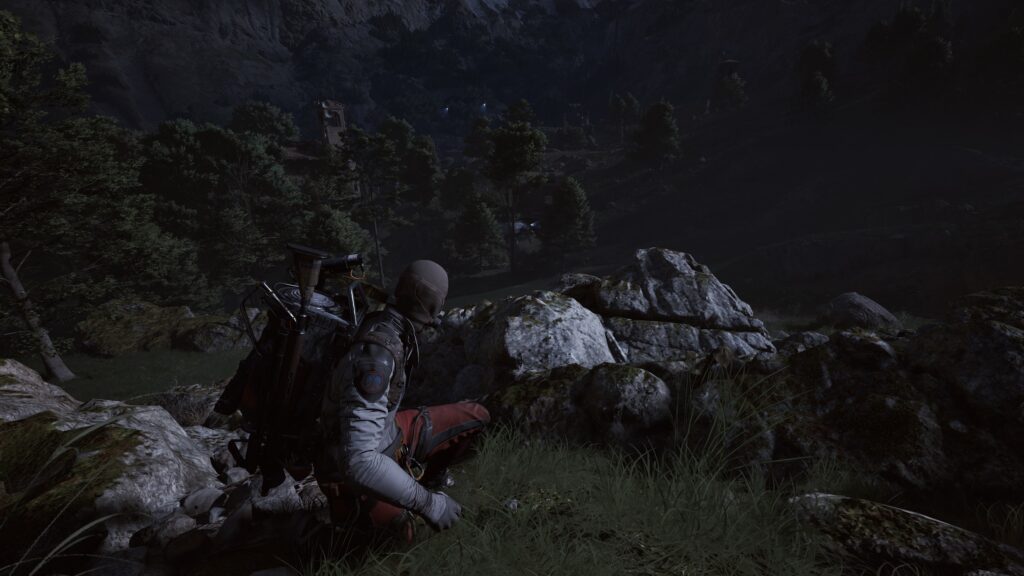
Raiders must integrate Visual Interdiction Strategy (VIS) and utilize immediate, high-powered kinetic fire to neutralize all aerial threats before establishing a long-term GS position.
Conclusion: The Power of Position
Geometric Superiority is the doctrine that converts vertical space into a tactical weapon. By aggressively utilizing elevated terrain,
Raiders negate ARC’s ground advantage, maximize the efficiency of their specialized tools, and secure the vital positional advantage necessary to ensure mission success and survival.
Leave a Reply